
Shockwave Spot

Is Shockwave Therapy Covered by Insurance? Navigating Costs and Coverage

Shockwave therapy has become a widely accepted treatment for a range of musculoskeletal conditions, from plantar fasciitis and Achilles tendinopathy to shoulder calcification and chronic back pain. But for many patients, one question remains at the center of treatment decisions: Is shockwave therapy covered by insurance?

Understanding how health insurance providers view and handle shockwave therapy can help you prepare for costs, ask the right questions, and avoid billing surprises.

What Is Shockwave Therapy and Who Uses It?

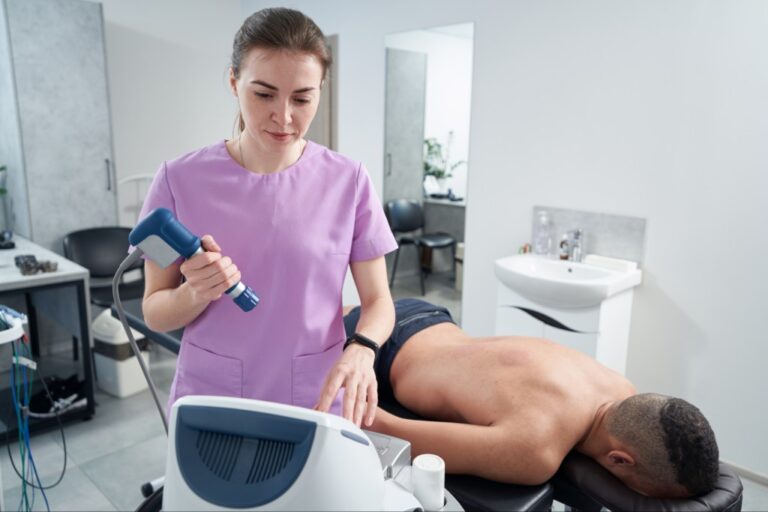
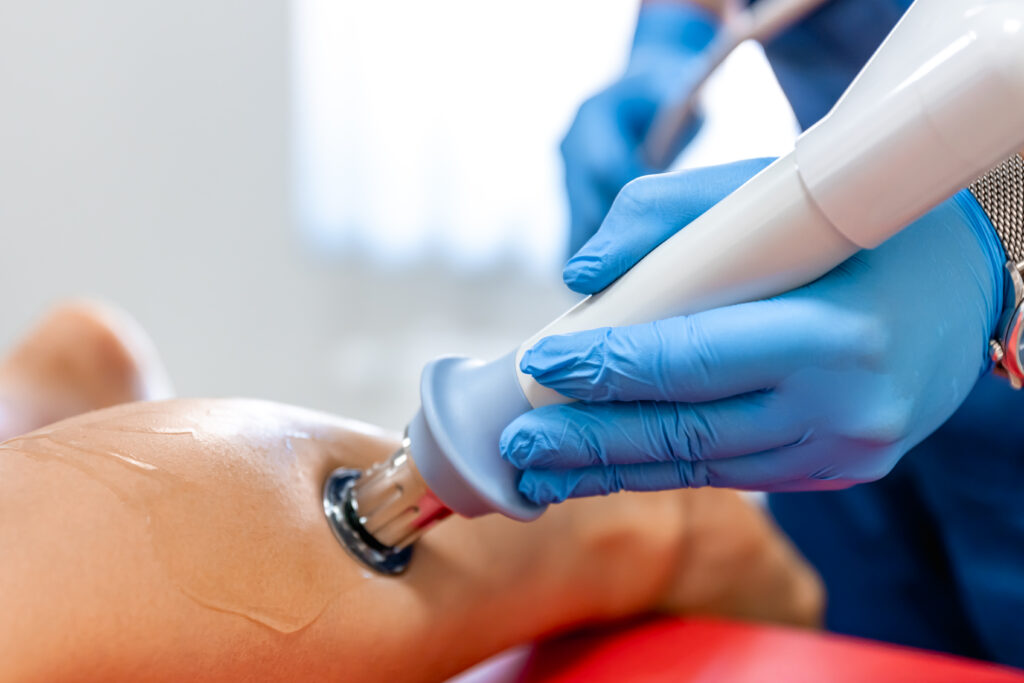
Shockwave therapy uses high-energy acoustic waves to stimulate healing in soft tissues, tendons, ligaments, and bones. It is a noninvasive outpatient treatment frequently used by physical therapists, orthopedic specialists, podiatrists, and chiropractors. Most devices fall into three main categories:

  • Focused shockwave therapy (FSWT): Targets deep tissue and is often used for conditions like delayed bone healing or calcific tendinitis.
  • Radial pressure wave therapy (RPWT): Disperses energy over a broader surface and is commonly used for surface-level injuries or muscle trigger points.
  • Broad-focused shockwave therapy: Delivers wider and more diffuse energy than FSWT while still penetrating deeper than RPWT. This category is effective for treating larger or more generalized areas of pain and inflammation, combining depth with broader coverage. It is commonly used for musculoskeletal conditions and regenerative treatments.

So, Is Shockwave Therapy Covered by Insurance?

The answer depends on your insurance provider, your diagnosis, and the type of shockwave therapy being used. While some private insurance plans may offer partial or full reimbursement, others classify it as an out-of-pocket service.

Here is a breakdown of the most common scenarios:

1. Private Insurance Plans

Many private insurers label shockwave therapy as experimental or investigational, even when research supports its effectiveness. This classification limits reimbursement options. However, some providers may cover it under certain billing codes for specific conditions such as plantar fasciitis or calcific tendinopathy, especially if you have already tried other treatments.

Before starting therapy, it is important to:

  • Call your insurance provider and ask directly, “Is shockwave therapy covered by insurance for [your condition]?”
  • Find out if preapproval or documentation is required
  • Ask your clinic if they submit insurance claims or operate on a cash pay model

2. Medicare and Medicaid

Medicare generally does not cover shockwave therapy for musculoskeletal pain due to limited national policy support. Some regional offices may allow it in specific cases. Medicaid coverage differs by state and often mirrors Medicare’s restrictions.

3. Workers’ Compensation and Auto Insurance

When treatment is related to a work injury or auto accident, shockwave therapy may be covered through workers’ compensation or personal injury protection claims. Providers usually need to submit evidence that the therapy is medically necessary and that other methods have already been attempted.

What Does Shockwave Therapy Cost Without Insurance?

For those paying out of pocket, the cost of shockwave therapy typically ranges from $100 to $500 per session. Pricing varies based on the clinic, location, and type of technology used. Most treatment plans include three to six sessions, spaced about one week apart.

Ask your provider for a detailed estimate before beginning treatment. Some clinics may offer package pricing or payment plans. Also consider asking for a superbill to submit to your insurance for possible reimbursement.

How to Maximize Coverage and Reduce Costs

Here are practical steps to improve your chances of coverage or lower your out-of-pocket expense:

  • Confirm your diagnosis: Having a clear and specific diagnosis helps with insurance coding
  • Contact your insurer: Ask about coverage for shockwave therapy and if certain procedure codes are accepted
  • Work with your provider: A letter of medical necessity, along with treatment records, may increase the likelihood of reimbursement
  • Use pre-tax health accounts: Funds from a health savings account (HSA) or flexible spending account (FSA) can often be applied toward treatment

Final Thoughts

So, is shockwave therapy covered by insurance? The answer varies depending on your plan and medical needs. Some patients will need to pay out of pocket, while others may find their treatment is eligible for partial or full coverage. By asking the right questions and reviewing your options in advance, you can take control of the financial side of your recovery and focus on getting better with fewer surprises.

Does Shockwave Therapy Hurt? What to Expect from Your First Session

For anyone dealing with chronic pain or lingering musculoskeletal injuries, shockwave therapy has become a well-established, non-invasive treatment option. But before trying something new, one of the most common questions people ask is simple: Does shockwave therapy hurt?

Understanding how the treatment works and what sensations to expect during your first session can help reduce anxiety and set you up for a smoother experience. Here’s a clear breakdown of what you can anticipate.

What Is Shockwave Therapy?

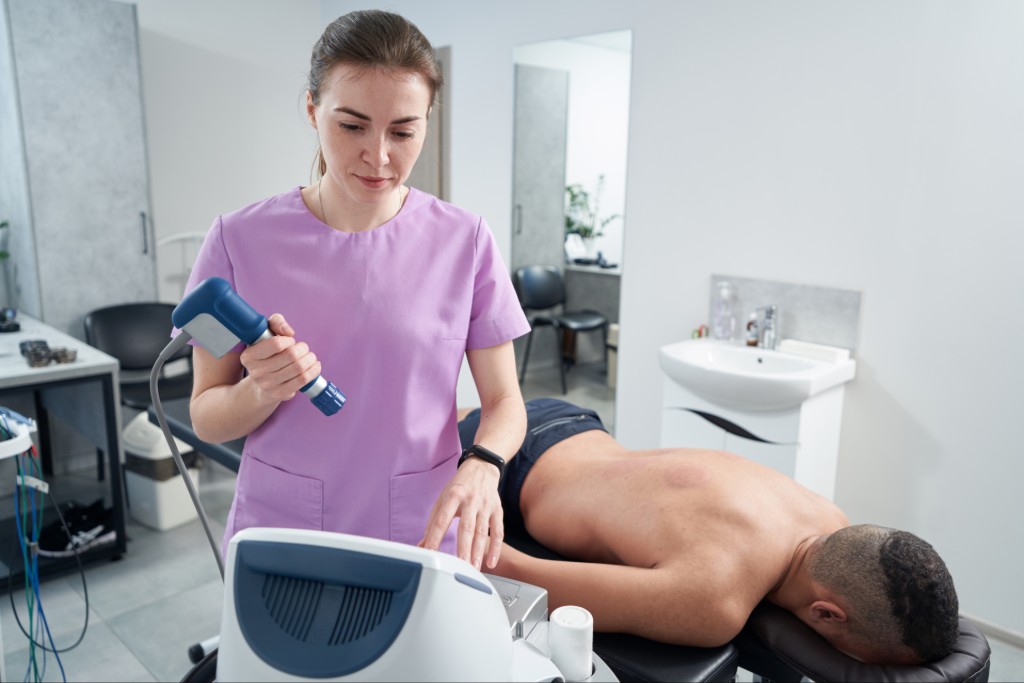
Shockwave therapy uses high-energy sound waves to stimulate healing in damaged tissues. These waves are directed at the affected area through a handheld device. The treatment is typically used for conditions such as:

  • Plantar fasciitis
  • Tennis elbow
  • Achilles tendinopathy
  • Calcific shoulder tendinopathy
  • Muscle and joint pain

Over time, these sound waves help reduce inflammation, improve blood flow, and encourage the body’s natural healing process.

So, Does Shockwave Therapy Hurt?

The short answer: It depends on the individual and the condition being treated.

Many people report mild to moderate discomfort during the procedure, but it’s typically tolerable. The sensation is often described as:

  • A rapid tapping or pulsing feeling
  • Similar to snapping a rubber band on the skin
  • Mildly uncomfortable at the most sensitive spots

Pain is more likely when the therapy is targeting areas with inflammation or scar tissue. However, the intensity can be adjusted by the provider during the session, so any discomfort is usually manageable.

Importantly, most people find the discomfort decreases significantly as the treatment progresses, often within minutes.

What Happens During Your First Session?

Your first visit usually begins with an assessment of your pain or injury. After identifying the treatment area, your provider will:

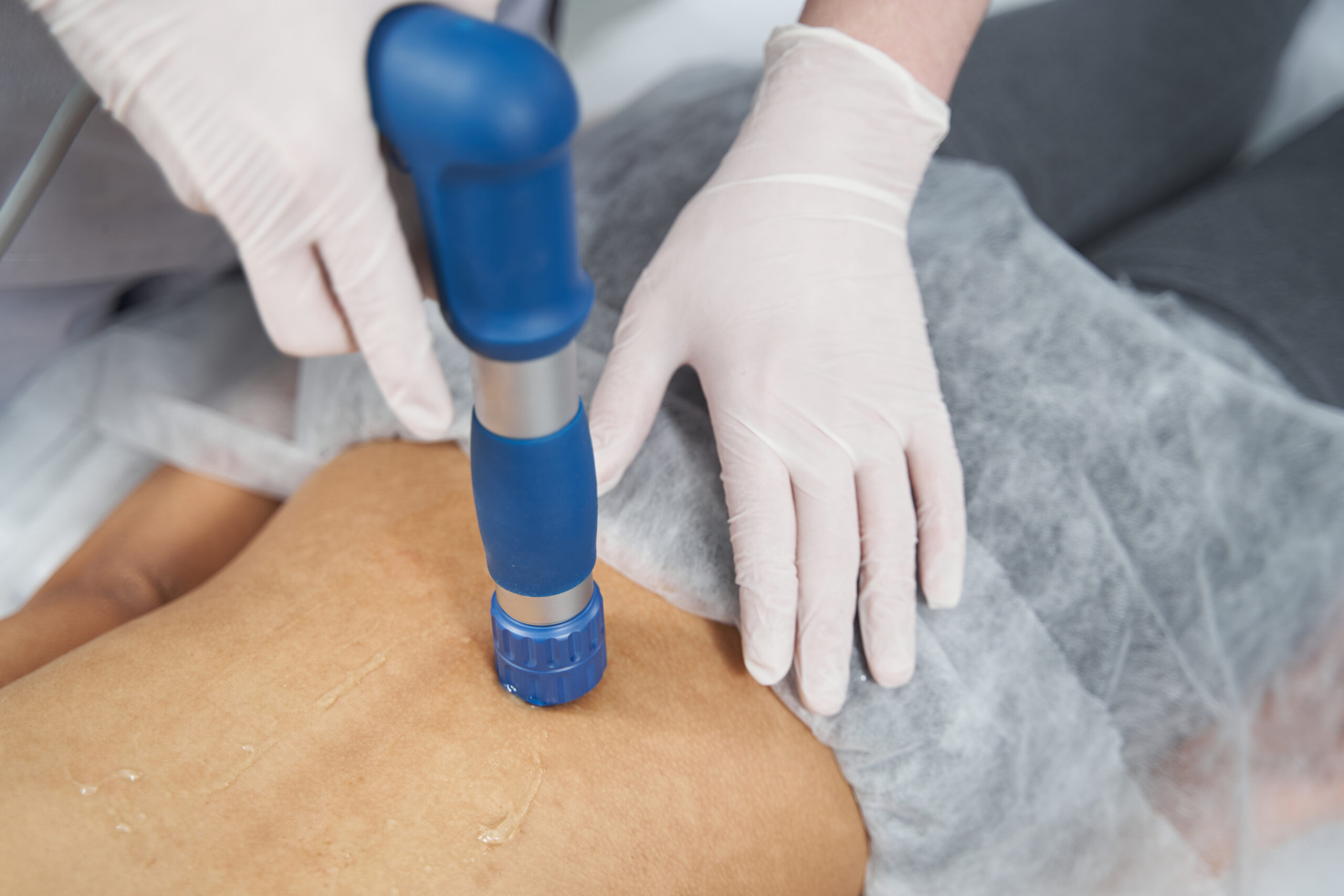
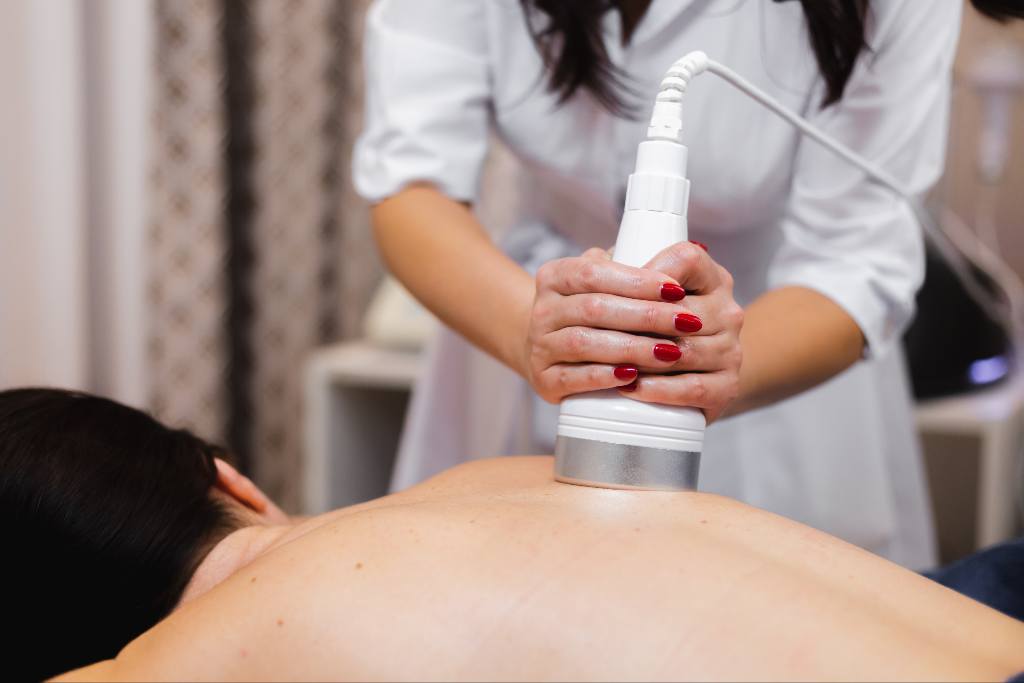
  1. Apply a contact gel to improve wave transmission.
  2. Place the applicator directly on the skin.
  3. Deliver pulses of acoustic energy for a few minutes.

Each session typically lasts between 10 to 20 minutes, depending on the condition. You may feel slight discomfort when the device targets tender spots, but this is expected and not harmful.

What About After the Treatment?

Following the session, some people feel immediate relief. Others experience mild soreness, similar to post-workout muscle fatigue. This is a normal part of the healing process and should subside within 24 to 48 hours.

In most cases, there’s no downtime. You can return to daily activities the same day, though your provider might recommend avoiding intense exercise for a short period.

How Many Sessions Are Needed?

Shockwave therapy isn’t usually a one-time fix. Most treatment plans involve a series of sessions, commonly 3 to 6 spaced out over a few weeks. The cumulative effect tends to deliver the best results, especially for chronic conditions.

Tips to Prepare for Your First Appointment

If you’re still wondering, “Does shockwave therapy hurt?” here are a few ways to prepare mentally and physically:

  • Wear loose, comfortable clothing that allows access to the treatment area.
  • Communicate openly with your provider about your pain threshold.
  • Know that the first session is often the most uncomfortable; subsequent ones usually feel easier.

Final Thoughts: Expect Relief, Not Regret

While everyone’s pain tolerance is different, shockwave therapy is widely tolerated and recognized for its ability to speed up recovery. The sensations may be unfamiliar at first, but the discomfort is brief and often outweighed by the long-term relief that follows.

If you’re considering it, understanding what to expect removes a lot of uncertainty. And when applied by a trained provider, the benefits of shockwave therapy are well worth the few moments of pressure you might feel.

How Many Sessions of Shockwave Therapy for Plantar Fasciitis?

Shockwave therapy has become a leading noninvasive treatment for chronic plantar fasciitis. Patients experiencing persistent heel pain often ask a common question: how many sessions of shockwave therapy for plantar fasciitis are typically needed to see results?

Let’s walk through what you can expect during treatment, how session numbers are determined, and how long-lasting relief usually takes shape.

What Is Shockwave Therapy for Plantar Fasciitis?

Shockwave therapy, also known as extracorporeal shockwave therapy (ESWT), uses focused acoustic waves to stimulate healing in damaged soft tissue. For plantar fasciitis, it helps reduce inflammation, increase blood flow, and promote cellular regeneration in the plantar fascia, the thick band of tissue that runs across the bottom of your foot.

It is typically used when other treatments like orthotics, stretching, or corticosteroid injections have not delivered long-term results. Since it addresses the root cause rather than masking pain, many patients see significant improvement without surgery.

How Many Sessions of Shockwave Therapy for Plantar Fasciitis Are Usually Needed?

Most patients require three to five sessions of shockwave therapy for plantar fasciitis. However, the exact number depends on several key factors:

1. Severity and Duration of the Condition

  • Chronic cases lasting more than six months may require closer to five or six sessions to achieve full relief
  • Acute or mild cases may respond quickly, sometimes within two or three treatments

2. Type of Shockwave Therapy

There are two main types of shockwave therapy

  • Focused shockwave used in clinical settings for deeper tissue penetration
  • Radial shockwave is more commonly used in physical therapy settings for superficial pain

The type used may influence how many sessions are necessary, as focused devices tend to require fewer sessions due to their intensity and precision.

3. Patient Response and Healing Timeline

Everyone’s body heals at a different pace. Some patients notice significant relief after just one or two treatments, while others may experience a gradual improvement over several weeks. Clinicians usually reassess progress after three sessions to determine if additional treatments are needed.

How Far Apart Are Sessions Scheduled?

Shockwave therapy sessions are generally spaced once a week. This allows the body time to process the microtrauma created by the acoustic pulses and start its natural healing response.

In total, most treatment plans span three to six weeks, depending on your personalized care plan.

When Can You Expect to Feel Relief?

  • Some people experience reduced pain within 24 to 48 hours of the first treatment
  • Others may not feel a significant difference until after the third session, especially if the plantar fasciitis has been persistent for several months

Pain relief typically continues to improve in the weeks following the final session, as collagen remodeling and tissue regeneration continue after treatment ends.

What Happens After the Treatment Plan?

After the final session, providers may recommend continued stretching, supportive footwear, or temporary modifications to activities to maximize results. Shockwave therapy is often part of a broader treatment strategy that emphasizes long-term recovery and prevention.

For many, results are long-lasting, and surgery is no longer necessary.

Final Thoughts

If you are dealing with stubborn heel pain and wondering how many sessions of shockwave therapy for plantar fasciitis are right for you, three to five is a common range, but your provider will tailor the plan based on your needs. By stimulating natural healing processes and addressing the source of inflammation, shockwave therapy offers an effective noninvasive solution for many plantar fasciitis sufferers.

Can Shockwave Therapy Cause Damage? Understanding the Risks and Realities

Shockwave therapy has gained significant traction as a noninvasive treatment for musculoskeletal conditions, chronic pain, and tendon-related injuries. While many patients report noticeable improvements, it’s natural to wonder: can shockwave therapy cause damage? This question is worth examining, especially for those considering the treatment or recommending it to others.

What Is Shockwave Therapy and How Does It Work?

Shockwave therapy uses acoustic waves to deliver energy to specific areas of the body, stimulating healing responses in tissue. It’s commonly used for conditions like plantar fasciitis, tennis elbow, calcific shoulder tendinopathy, and Achilles tendinopathy. There are two main types—focused and radial—each varying in depth and intensity.

The treatment promotes cellular regeneration, increases blood flow, and breaks down calcified tissues, helping the body recover more efficiently. Despite these benefits, questions remain about its safety and any potential for tissue harm.

Can Shockwave Therapy Cause Damage?

The short answer: serious damage from shockwave therapy is rare, especially when administered correctly by trained professionals. However, like any medical treatment, it is not entirely without risks.

Most concerns about damage stem from:

  • Incorrect application or settings (e.g., using energy levels that are too high)
  • Pre-existing conditions that contraindicate treatment (e.g., bleeding disorders or malignancies)
  • Lack of screening for areas near sensitive anatomical structures

When these risk factors are accounted for, adverse outcomes are uncommon. The vast majority of patients experience only minor, temporary side effects.

Common Side Effects Versus Actual Damage

To clarify, the term “damage” is often confused with common side effects, which include:

  • Mild swelling
  • Redness
  • Local discomfort during or after treatment
  • Bruising

These effects are not indicative of harm but rather normal responses as the body begins to heal. They typically subside within a few days and do not require medical intervention.

Severe complications, such as tendon rupture or nerve damage, are extremely rare and usually linked to predisposing factors rather than the therapy itself.

Who Should Avoid Shockwave Therapy?

Though generally safe, shockwave therapy may not be suitable for everyone. The following groups should consult their healthcare provider before proceeding:

  • Individuals with coagulation disorders or on anticoagulants
  • Patients with tumors near the treatment site
  • Pregnant individuals (especially over the pelvic region)
  • People with infections or open wounds in the treatment area
  • Patients with severe sensory or circulatory neuropathies

Proper patient screening and adherence to protocols are key in preventing unintended effects.

Ensuring Safe and Effective Use

To minimize risks and avoid potential damage, consider the following:

  • Choose a qualified provider with experience in administering shockwave therapy
  • Ask questions about the device type, treatment frequency, and intensity settings
  • Report any unusual symptoms immediately to your provider
  • Follow post-treatment instructions to allow for optimal healing

When performed properly, shockwave therapy remains a trusted and scientifically supported treatment modality.

Conclusion

So, can shockwave therapy cause damage? While the possibility exists under inappropriate conditions, the risk is minimal when guided by trained hands and proper patient selection. Understanding how the therapy works and what to expect can provide reassurance and help you make an informed decision about whether it’s the right option for your recovery.

Is Shockwave Therapy a Legitimate Management Option?

Shockwave therapy has gained widespread traction in medical and rehabilitation settings for its ability to address stubborn pain and musculoskeletal injuries. But with so many treatment options available, many patients and healthcare providers still ask: Is shockwave therapy a legitimate management option? The short answer is yes. Backed by extensive research and decades of clinical use, shockwave therapy is a proven solution for many chronic conditions, especially those that fail to respond to conservative treatment.

Understanding What Shockwave Therapy Does

Shockwave therapy uses acoustic energy pulses to stimulate healing in damaged tissues. These high-energy waves penetrate deep into affected areas, promoting blood flow, reducing inflammation, and triggering cellular repair mechanisms. It is commonly used to manage conditions such as:

  • Plantar fasciitis
  • Tendinopathies (Achilles, patellar, rotator cuff)
  • Tennis and golfer’s elbow
  • Calcific shoulder tendinitis
  • Shin splints
  • Delayed bone healing or non-unions

Unlike surgical interventions or long-term medication regimens, shockwave therapy targets the root of the issue without breaking the skin or requiring anesthesia.

What Makes Shockwave Therapy Effective?

What Makes Shockwave Therapy Effective?One of the main reasons shockwave therapy is considered a legitimate management option is its biological effect on tissue regeneration. It does more than mask pain; it promotes the body’s own repair process. Scientific studies consistently demonstrate measurable improvements in mobility, pain reduction, and tendon healing following treatment.

Additional benefits include:

  • Non-invasive delivery
  • Minimal recovery time
  • Outpatient sessions with no need for extended downtime
  • Long-lasting outcomes in many chronic cases

This therapy is also valued for its versatility. From orthopedic clinics to sports medicine centers and even urology or dermatology applications, shockwave therapy plays a role in helping patients return to active lifestyles.

Who Can Benefit from Shockwave Therapy?

Shockwave therapy is ideal for individuals dealing with persistent pain that hasn’t responded to rest, bracing, or exercise therapy. It is especially well-suited for:

  • Athletes experiencing recurring tendon injuries
  • Workers with repetitive strain injuries
  • Older adults dealing with chronic joint pain
  • Post-operative patients seeking non-pharmacologic pain relief

Because it is non-surgical and low-risk, shockwave therapy can be used in conjunction with other rehabilitation approaches or as a standalone treatment when other efforts fall short.

Addressing Concerns and Misconceptions

Some skepticism around shockwave therapy stems from early consumer-market devices or outdated clinical practices. Today’s medical-grade shockwave systems are regulated and administered by trained professionals using established protocols. Treatment typically involves a brief series of sessions and may cause mild discomfort during application, but this is temporary and manageable.

Importantly, shockwave therapy is not experimental. Its mechanism, safety profile, and outcomes are well-documented. It continues to evolve with better targeting technologies and protocol refinement, but its foundational value is well-established.

Conclusion: A Proven Approach Worth Considering

So, is shockwave therapy a legitimate management option? Absolutely. From chronic plantar fasciitis to calcific tendinitis, it is a reliable, clinically endorsed, and well-understood intervention. For those facing long-term pain and limited function despite other efforts, shockwave therapy offers a smart, science-backed pathway to recovery.

Does Shockwave Therapy Work for SI Joint Pain?

Sacroiliac (SI) joint pain can be deeply frustrating, making daily movement painful and unpredictable. For those dealing with chronic discomfort in the lower back, hips, or pelvis, effective treatment options can feel limited, especially when rest, medication, and physical therapy haven’t brought relief. So, does shockwave therapy work for SI joint pain? The short answer: yes, it does, and research and clinical use continue to confirm its effectiveness.

Does Shockwave Therapy Work for SI Joint Pain?

Understanding SI Joint Pain

The sacroiliac joint sits where the base of the spine (sacrum) meets the iliac bones of the pelvis. It is essential for absorbing shock between the upper body and legs and plays a major role in weight transfer during walking and other movements. Dysfunction or inflammation in the SI joint can lead to pain that radiates from the lower back into the buttocks or even down the legs, often mimicking sciatica.

Common causes of SI joint pain include:

  • Trauma from falls or car accidents
  • Pregnancy and childbirth
  • Uneven leg length or gait issues
  • Arthritis or joint degeneration
  • Repetitive stress from heavy lifting or sports

How Shockwave Therapy Addresses SI Joint Pain

Shockwave therapy (also known as extracorporeal shock wave therapy or ESWT) uses acoustic waves to stimulate healing within injured or inflamed tissues. When applied to the SI joint region, these waves trigger increased blood flow, cellular regeneration, and a reduction in inflammation, all of which are essential for healing chronic joint dysfunction.

The therapy targets both the joint and the surrounding soft tissues, helping to:

  • Decrease inflammation
  • Promote tissue regeneration
  • Break up calcifications or scar tissue
  • Relieve muscular tightness that may be contributing to joint misalignment

Does Shockwave Therapy Work for SI Joint Pain?

Multiple clinical studies and patient outcomes show that shockwave therapy works well for SI joint pain. Patients typically report a reduction in pain intensity after just a few sessions, with lasting results developing over time. Unlike cortisone injections or surgical procedures, shockwave therapy is noninvasive, does not require downtime, and avoids the long-term use of pain medications.

Therapeutic benefits include:

  • Improved range of motion
  • Faster recovery compared to conventional methods
  • Long term pain relief without the risks of invasive treatments

Most treatment plans involve a series of sessions spaced over several weeks. Pain levels and mobility are usually reassessed between each session to tailor the treatment to each person’s needs.

Who Can Benefit from Shockwave Therapy?

Shockwave therapy is often recommended for people who:

  • Have not responded well to conservative treatments like physical therapy or NSAIDs
  • Prefer a nonsurgical approach to pain relief
  • Suffer from chronic or recurring SI joint dysfunction
  • Experience muscular imbalances or inflammation near the joint

However, it is not suitable for everyone. Individuals with certain medical conditions such as clotting disorders, infections, or tumors in the treatment area should consult with a specialist before undergoing therapy.

What to Expect During Treatment

A typical session is relatively quick, lasting around 15 to 30 minutes. The device is applied to the targeted area, and sound waves are delivered through the skin using a handheld applicator. While the treatment may cause mild discomfort during the procedure, it generally becomes more tolerable as inflammation subsides. There is little to no downtime, and most people can resume their normal activities immediately.

Final Thoughts

So, does shockwave therapy work for SI joint pain? Absolutely. For individuals seeking long-term relief without surgery or medication dependency, this proven, noninvasive treatment offers a reliable path forward. As always, the best outcomes come from working with a provider who can accurately diagnose SI joint issues and tailor the therapy to your body’s needs.

Does Shockwave Therapy Help Hip Bursitis? Benefits and Expected Results

Hip bursitis is a common condition that causes pain and inflammation in the bursa, the fluid-filled sacs that cushion the hip joint. It often develops due to repetitive movements, prolonged pressure, or underlying conditions like arthritis. For those seeking non-invasive treatment options, shockwave therapy has become an effective solution for reducing pain and improving mobility.

Shockwave Therapy Help Hip Bursitis

How Does Shockwave Therapy Help Hip Bursitis?

Shockwave therapy works by delivering high-energy sound waves to the affected area. These waves stimulate circulation, break down calcifications, and promote the body’s natural healing process. For individuals with hip bursitis, this treatment helps reduce inflammation, decrease pain, and improve overall function.

Key Mechanisms of Shockwave Therapy for Hip Bursitis:

  • Increases Blood Flow: The sound waves promote better circulation, allowing oxygen and nutrients to reach the affected tissues and speed up recovery.
  • Reduces Inflammation: Shockwave therapy helps decrease swelling and inflammation in the bursa, leading to pain relief.
  • Stimulates Collagen Production: Collagen is essential for tissue repair, and shockwave therapy encourages its production, strengthening the structures around the hip joint.
  • Breaks Down Scar Tissue and Calcifications: Over time, repetitive stress can cause the formation of scar tissue or calcium deposits in the hip. Shockwave therapy helps break these down, restoring normal function and flexibility.

Benefits of Shockwave Therapy for Hip Bursitis

Shockwave therapy offers several advantages over traditional treatment methods like corticosteroid injections or surgery. Some of the key benefits include:

  • Non-Invasive Treatment: No incisions or injections are required, reducing the risk of complications and downtime.
  • Long-Lasting Pain Relief: Many patients experience significant and sustained relief after just a few sessions.
  • Quick and Convenient: Each session typically lasts 15-30 minutes, allowing patients to resume daily activities with minimal disruption.
  • Minimal Side Effects: Unlike medications, shockwave therapy does not have long-term adverse effects, making it a safer alternative for many individuals.
  • Improved Mobility and Function: By addressing the root cause of pain and inflammation, shockwave therapy helps patients regain movement and engage in physical activities more comfortably.

Expected Results and Treatment Timeline

The number of shockwave therapy sessions needed depends on the severity of hip bursitis and the individual’s response to treatment. Most patients undergo three to five sessions spaced one week apart. Some individuals report noticeable pain relief after the first session, while others experience gradual improvement over a few weeks.

What to Expect During and After Treatment:

  • During the Session: A handheld device delivers controlled shockwaves to the hip area. Patients may feel mild discomfort, but the procedure is generally well-tolerated.
  • Immediately After: Some temporary soreness or redness may occur, similar to the sensation after an intense workout.
  • Long-Term Effects: Pain reduction and improved mobility are typically observed within a few weeks, with continued benefits lasting several months.

Is Shockwave Therapy Right for You?

Shockwave therapy is suitable for many individuals with hip bursitis, especially those who have not found relief with traditional treatments. It is often recommended for active individuals, athletes, and those looking to avoid surgery or prolonged medication use. However, it may not be suitable for people with certain medical conditions, such as blood clotting disorders or active infections. Consulting a healthcare professional is essential to determine if this treatment is appropriate.

Shockwave therapy has proven to be a reliable and effective method for managing hip bursitis. By reducing pain, improving mobility, and promoting long-term healing, it provides a valuable alternative to more invasive treatments. If hip bursitis is affecting your daily life, shockwave therapy could be a beneficial solution to help restore comfort and movement.

Does Shockwave Therapy Relieve Big Toe Joint Pain? Exploring Treatment Options


Big toe joint pain can disrupt daily activities, making even simple movements uncomfortable. Conditions like hallux rigidus, gout, or arthritis often cause this pain. Finding an effective treatment is essential for regaining mobility and comfort. One option gaining recognition is shockwave therapy. But does shockwave therapy help big toe joint pain? Let’s explore this proven treatment and other available options.

Shockwave Therapy Relieve Big Toe Joint Pain

Understanding Shockwave Therapy for Big Toe Joint Pain

Shockwave therapy uses acoustic waves to stimulate healing in damaged tissues. By promoting blood flow and triggering the body’s natural repair processes, it effectively reduces pain and inflammation in targeted areas. The treatment is particularly beneficial for chronic conditions where other therapies may have limited success.

When applied to the big toe joint, shockwave therapy can address issues like inflammation, tissue degeneration, or calcification. Many patients report noticeable pain relief and improved range of motion after a series of sessions.

How Does Shockwave Therapy Help Big Toe Joint Pain?

Shockwave therapy provides several benefits for big toe joint pain, including:

  • Pain Reduction: The acoustic waves disrupt pain signals and reduce inflammation.
  • Improved Circulation: Enhanced blood flow accelerates healing in the affected joint.
  • Stimulated Tissue Repair: The therapy encourages the regeneration of damaged tendons, ligaments, and cartilage.
  • Improved Range of Motion: By alleviating stiffness, shockwave therapy helps restore mobility in the joint.
  • Non-Invasive Treatment: Shockwave therapy avoids the risks associated with surgery or long-term medication use.

This combination of benefits makes it an excellent option for managing chronic big toe joint pain.

Other Treatment Options for Big Toe Joint Pain

While shockwave therapy is a proven and effective choice, other treatments may also help, depending on the cause and severity of the pain:

  • Orthotics and Footwear Adjustments: Custom insoles or supportive shoes can relieve pressure on the joint.
  • Physical Therapy: Stretching and strengthening exercises improve joint mobility and reduce stiffness.
  • Anti-Inflammatory Medications: These can temporarily reduce swelling and discomfort.
  • Corticosteroid Injections: In some cases, injections may provide short-term relief for severe inflammation.
  • Surgery: For advanced conditions like hallux rigidus, surgical intervention may be necessary.

Why Choose Shockwave Therapy for Big Toe Joint Pain?

Shockwave therapy stands out because it is non-invasive, does not require downtime, and provides long-lasting results. Unlike temporary solutions, it addresses the underlying causes of pain, promoting healing rather than masking symptoms.

Final Thoughts

Shockwave therapy is a proven treatment that provides a safe and reliable way to reduce pain, improve mobility, and enhance quality of life. Consulting with a healthcare professional can help determine if this therapy suits your needs and how it can complement other treatment options in your plan for recovery.

How Does Shockwave Therapy Work for Pain Relief and Healing?


Shock wave therapy has become a reliable solution for pain relief and enhanced healing, widely utilized across various medical fields. This non-invasive treatment uses acoustic waves to stimulate the body’s natural healing processes, making it an effective option for conditions like chronic pain, sports injuries, and musculoskeletal disorders.


How Does Shockwave Therapy Work for Pain Relief and Healing?

The Science Behind Shockwave Therapy

At its core, shockwave therapy involves high-energy sound waves directed at targeted areas of the body. These waves penetrate deep tissues, triggering a cascade of biological responses:

  • Increased Blood Flow: Shockwaves stimulate the formation of new blood vessels, improving circulation to the affected area. This enhanced blood flow helps deliver essential nutrients and oxygen, accelerating the healing process.
  • Reduction of Inflammation: By disrupting pain-signaling pathways, shockwave therapy reduces inflammation and swelling in the affected tissues. This alleviates discomfort and supports long-term recovery.
  • Stimulation of Cell Repair: The acoustic waves stimulate cellular activity, promoting the regeneration of damaged tissues. This is particularly beneficial for conditions like tendonitis, plantar fasciitis, and joint pain.
  • Breakdown of Scar Tissue: Shockwaves break up calcifications and adhesions in tissues, improving mobility and reducing stiffness in joints and muscles.
  • Pain Signal Interruption: The treatment disrupts nerve signaling pathways responsible for pain perception, providing significant and lasting relief from chronic pain.

Key Applications of Shockwave Therapy for Pain Relief and Healing

Shockwave therapy is used to address a variety of medical conditions, including:

  • Chronic Tendon Pain: Conditions like tennis elbow, Achilles tendonitis, and rotator cuff injuries respond well to this treatment, as it promotes tendon repair and pain relief.
  • Plantar Fasciitis: One of the most common causes of heel pain, plantar fasciitis benefits from shockwave therapy by reducing inflammation and stimulating tissue healing.
  • Musculoskeletal Injuries: From sports injuries to post-surgical recovery, shock wave therapy accelerates healing and minimizes pain without the need for invasive procedures.
  • Joint Disorders: Conditions like arthritis can benefit from the enhanced blood flow and reduced inflammation provided by shock wave therapy.
  • Calcifications and Scar Tissue: Shock wave therapy effectively breaks down calcium deposits and adhesions, restoring flexibility and improving function in affected areas.

What to Expect During a Session

Shockwave therapy is typically performed in an outpatient setting and requires no anesthesia. During the session, a device is applied to the skin over the affected area, delivering controlled pulses of energy. Patients may feel mild discomfort during treatment, but the procedure is generally well-tolerated. Most individuals require multiple sessions spaced over a few weeks to achieve optimal results.

A Proven Solution for Pain and Healing

Shockwave therapy has demonstrated its effectiveness in numerous clinical studies, making it a trusted option for healthcare professionals and patients alike. Whether you are dealing with persistent pain or seeking to accelerate recovery, this advanced therapy offers a non-invasive and reliable approach to improving your quality of life.

Differences Between Radial & Focused Shockwave Therapy

Shockwave therapy is a non-invasive treatment used to promote healing and reduce pain in various musculoskeletal conditions.

It involves the delivery of shockwaves, which are high-energy sound waves, to affected areas of the body. These shockwaves stimulate the body’s natural healing processes, helping to repair damaged tissue and alleviate pain. Let’s delve into the world of radial vs focused shockwave therapy to understand their differences and which might be a better fit for your needs.

What is Radial Shockwave Therapy?

Radial shockwave therapy involves the delivery of low- to medium-energy shockwaves that spread out radially from the point of contact. This means the energy is dispersed over a larger area, which makes it effective for treating more superficial conditions. Radial shockwave therapy is not technically a true shockwave. Instead, it uses ballistic energy to generate pressure waves that penetrate the skin and soft tissues. A projectile inside the handpiece is accelerated by compressed air and strikes a metal applicator, creating the radial waves.

Benefits of Radial Shockwave Therapy

Radial shockwave therapy offers several benefits, including:
  • Non-invasive treatment
  • Minimal discomfort during the procedure
  • Short recovery time
  • Effective for superficial injuries

Common Applications of Radial Shockwave Therapy

  • Plantar fasciitis
  • Tennis elbow
  • Calcific shoulder tendinopathy
  • Achilles tendinopathy
  • Myofascial trigger points

What is Focused Shockwave Therapy?

Focused shockwave therapy involves the delivery of high-energy shockwaves that are concentrated into a small focal point. These shockwaves penetrate deeper into the tissues, making this type of therapy particularly effective for treating more profound and chronic conditions. The high-energy waves stimulate cellular regeneration and repair processes within the targeted area, promoting healing from within.  Unlike radial shockwave therapy, focused shockwave therapy generates true shockwaves. These shockwaves are produced by a piezoelectric, electromagnetic, or electrohydraulic source within the therapy device. The energy is focused at a specific depth in the tissue, ensuring that the therapeutic effects are concentrated precisely where needed. 

Benefits of Focused Shockwave Therapy

Focused shockwave therapy has its own set of benefits:
  • Higher precision in targeting specific areas
  • Effective for deeper tissue injuries
  • Can treat chronic pain more effectively
  • Stimulates cellular regeneration

Common Applications of Radial Shockwave Therapy

  • Chronic tendinitis
  • Deep muscle pain
  • Bone healing
  • Calcific shoulder tendinitis
  • Deep trigger points

Key Differences Between Radial Vs Focused Shockwave Therapy

Understanding the key differences between radial and focused shockwave therapy can help determine the best treatment option for specific conditions.

Aspect Radial Shockwave Therapy Focused Shockwave Therapy
Depth of Penetration Superficial Deep
Energy Levels Low to Medium High
Treatment Area Larger, more dispersed Smaller, more concentrated
Common Applications Soft tissue injuries, myofascial pain Chronic conditions, deep tissue injuries
Benefits Non-invasive, minimal discomfort High precision, effective for chronic pain

Pros and Cons of Radial Shockwave Therapy

Pros:
  • Suitable for superficial injuries
  • Non-invasive with minimal discomfort
  • Shorter recovery time
Cons:
  • Limited depth penetration
  • Less effective for chronic or deep-seated conditions

Pros and Cons of Focused Shockwave Therapy

Pros:
  • Precise targeting of deep tissues
  • Effective for chronic pain and deep injuries
  • Stimulates long-term healing
Cons:
  • May cause more discomfort during treatment
  • Typically more expensive than radial therapy

Choosing the Right Therapy for Your Needs

Choosing between radial and focused shockwave therapy depends on several factors, including: 
  • Condition Being Treated: For superficial injuries and soft tissue conditions, radial shockwave therapy may be more appropriate. For chronic pain or deep tissue injuries, focused shockwave therapy is often more effective.
  • Severity of the Issue: Severe or chronic conditions may require the precision and depth of focused shockwave therapy.
  • Patient Preferences: Some patients may prefer the less invasive nature and minimal discomfort of radial shockwave therapy.
Ultimately, the best way to determine which type of shockwave therapy is right for you is to consult with a healthcare professional. They can assess your specific condition, its severity, and your individual needs to recommend the most effective treatment option. Don’t hesitate to ask questions and discuss your concerns to make an informed decision about your recovery.